REM sleep is one of the two main phases of sleep. It usually first appears about 90 minutes after you fall asleep, returns several times during the night and becomes longer toward morning. It is not the same as deep sleep, and there is no proven shortcut that selectively “boosts” it.
- REM stands for rapid eye movement.
- Brain activity, breathing and heart rate change, while most arm and leg muscles are temporarily inactive.
- Dreams are often most vivid in REM sleep, although dreaming can occur in other stages.
- The most useful approach is to protect sufficient, regular sleep rather than chase a target REM percentage.
What is REM sleep?
Sleep alternates between non-REM sleep and REM sleep. According to the US National Heart, Lung, and Blood Institute (NHLBI), a cycle generally restarts every 80 to 100 minutes and most people have four to six cycles during a night. Non-REM sleep includes light sleep and stage 3 deep sleep; REM is a separate phase.
The US National Institute of Neurological Disorders and Stroke (NINDS) describes the first REM period as occurring roughly 90 minutes after sleep begins. Later REM periods usually last longer. This is why cutting the final part of a night can remove a portion of the night that is relatively rich in REM sleep.
| Feature | REM sleep | Stage 3 non-REM sleep |
|---|---|---|
| Eye movements | Rapid movements behind closed eyelids | No rapid eye movements |
| Muscle activity | Most arm and leg muscles are temporarily inactive | Muscle tone is reduced, but not in the same pattern |
| Dreams | Often vivid | Can occur, usually less vivid |
| Timing | Periods tend to lengthen later in the night | More prominent earlier in the night |
Sources: NHLBI — Sleep phases and stages; NINDS — Brain basics: understanding sleep.
What happens during REM sleep?
Sleep laboratories identify REM using several signals together: rapid eye movements, characteristic brain-wave activity and a marked reduction in the activity of muscles that normally move the limbs. Breathing becomes faster and more irregular, and heart rate may move closer to waking levels. The eyes and breathing muscles remain active.
This temporary reduction in limb-muscle activity helps prevent most dream movements from being carried out. Describing it as “the body being completely paralysed” is too broad: essential muscles continue to work, and the pattern is measured clinically rather than inferred from a single symptom.
What does science say about its role?
REM sleep is linked with brain activity involved in learning and memory, and researchers study its contribution to emotional processing and development. However, sleep stages work together across the night. It is misleading to claim that REM “repairs the mind” while deep sleep “repairs the body”, or to attach a precise percentage improvement in memory, anxiety or creativity to REM sleep alone.
NINDS notes that dreams can occur during all sleep stages but are usually most vivid during REM. That supports a careful conclusion: REM is an important part of normal sleep, but more REM is not automatically better and a single tracker percentage cannot be interpreted in isolation.
Can you measure REM sleep at home?
Consumer devices can provide estimates, but a medical sleep study uses brain waves, eye movements, muscle activity, breathing, oxygen level and heart rate to classify sleep and investigate disorders. Do not use a wearable result alone to diagnose a REM problem or to change medication.
Source: MedlinePlus — Polysomnography.
Five habits that support a healthy night of sleep
These habits support sleep as a whole; they are not techniques proven to increase REM selectively.
- Leave enough time for sleep. REM periods tend to be longer later in the night, so repeatedly shortening the end of the night can reduce the opportunity for normal cycles.
- Keep a regular schedule. Go to bed and get up at broadly consistent times, including weekends when possible.
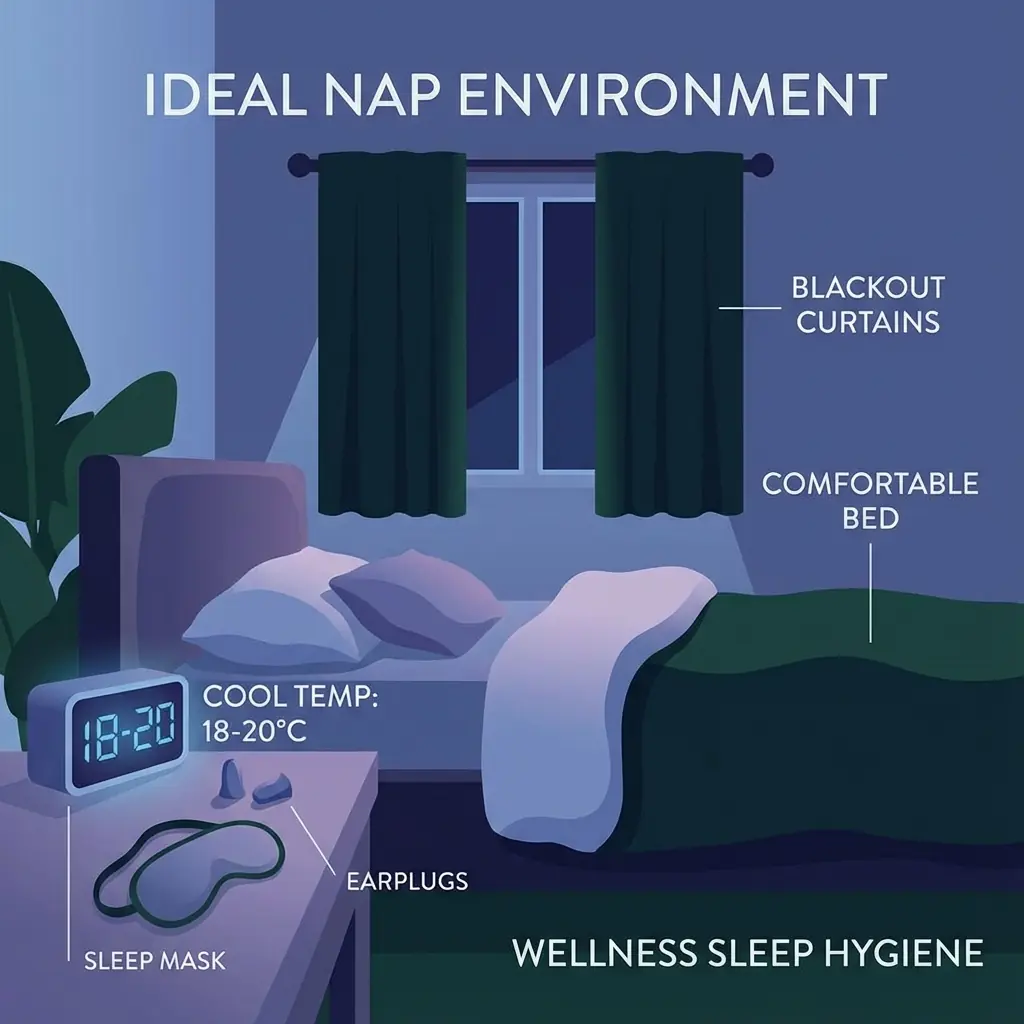
- Make the bedroom sleep-friendly. Keep it quiet, relaxing and comfortably cool.
- Be careful with caffeine and alcohol. The CDC advises avoiding caffeine in the afternoon or evening and avoiding alcohol before bedtime.
- Create a clear wind-down. Turn off electronic devices at least 30 minutes before bed and keep regular physical activity in your week.
Source: CDC — About sleep.
Sleep paralysis and acting out dreams are different
Sleep paralysis
Sleep paralysis is a temporary inability to move or speak while falling asleep or waking. The NHS describes it as frightening but usually harmless. Seek medical advice if episodes are frequent, make you afraid to sleep or leave you persistently tired.
Acting out dreams
Repeated shouting, punching, kicking or falling out of bed while apparently acting out dreams is not the same as ordinary vivid dreaming. It can cause injury and may require assessment for a parasomnia such as REM sleep behaviour disorder. Do not self-treat it with clonazepam, melatonin or any other medicine: diagnosis and treatment belong with a clinician.
Sources: NHS — Sleep paralysis; MedlinePlus — Sleep disorders.
Summary
- REM sleep is one of two main sleep phases, appearing roughly every 90 minutes and lengthening toward morning.
- It is linked to memory consolidation, emotional regulation and vivid dreaming, but there is no proven way to selectively "boost" it.
- The most reliable way to protect REM sleep is sufficient, regular total sleep rather than chasing a target percentage.
- Consumer trackers estimate REM sleep; they do not measure brain activity and should not be treated as a diagnosis.
- Frequent sleep paralysis or acting out dreams are distinct from ordinary REM sleep and deserve a clinician's opinion.
Frequently asked questions
Is REM sleep the same as deep sleep?
No. Deep sleep is stage 3 non-REM sleep. REM is a distinct phase with rapid eye movements and a different pattern of brain and muscle activity.
How much REM sleep should I get?
There is no single home target that is suitable for everyone. Sleep architecture changes with age and varies from night to night. Persistent symptoms matter more than trying to optimise one number from a wearable.
Does everyone dream every night?
Dreaming can occur in all stages of sleep, and REM dreams are often the most vivid. Not remembering a dream does not show that REM sleep was absent.
Can a food or supplement increase REM sleep?
We cannot confirm a safe, universal food or supplement that selectively increases REM sleep. If sleep problems persist, discuss them with a healthcare professional rather than trying to alter one sleep stage yourself.
Sources and editorial note
- NHLBI: Sleep phases and stages
- NINDS: Brain basics — understanding sleep
- CDC: About sleep
- MedlinePlus: Polysomnography
- NHS: Sleep paralysis
Reviewed and updated on July 31, 2026. This educational article does not replace medical advice.